Black Friday & Cyber Monday Hi-Fi and Home Theater Deals 2026
We are not going to predict a single discount. What this page does instead is show you what our own price file says is discounted today, tell you which classes of gear actually move in November, and name the ones where waiting buys you nothing.
Disclosure: we earn a commission if you buy through the links on this page, at no extra cost to you. It does not influence what we pick — our criteria are published and reproducible, so you can check our work. How we pick · Full disclosure
These picks are spec-and-price analyses, not listening tests. We have not heard this gear and we do not pretend to have: every figure below is sourced to the manufacturer and linked, and every price is live or not shown at all. Here are the rules we followed.
Quick picks
Ranked on the published criteria in How We Pick. Prices are live as of September 15, 2026. Tap any row for the full write-up.
- 9.0
- 9.0
- 8.2$329.00View on Amazon
$479.0031% off
- 8.6$349.00View on Amazon
$399.0013% off
- 8.6
- 8.4
| # | Product | Best for | Score | Price |
|---|---|---|---|---|
| 1 | 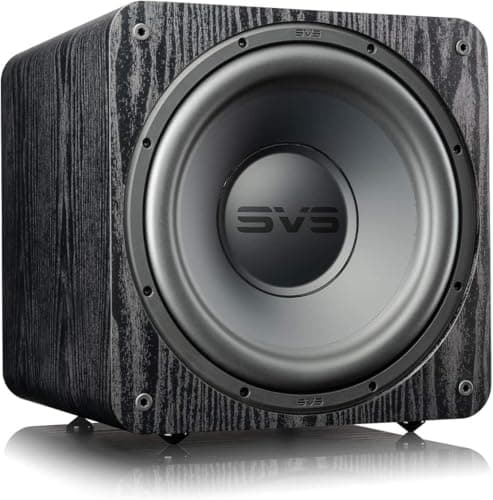 SVS SB-1000 Pro The only subwoofer here whose manufacturer publishes both a continuous power rating and the measurement condition behind its frequency response — 20–270 Hz ± 3 dB at 2 m ground plane — which is what makes its numbers comparable to anything. | Best overall | 9.0 | |
| 2 | 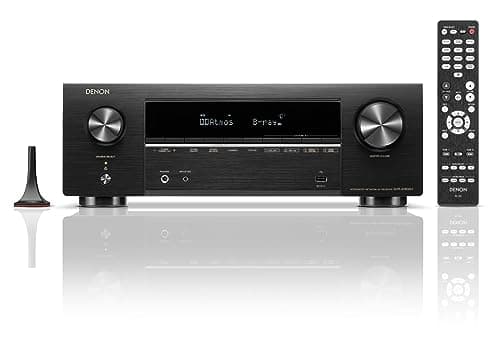 Denon AVR-X1800H Seven channels, 8K passthrough and Audyssey MultEQ XT — the room correction being the feature that actually changes what you hear in a real room. | Best overall under $1,000 | 9.0 | |
| 3 | 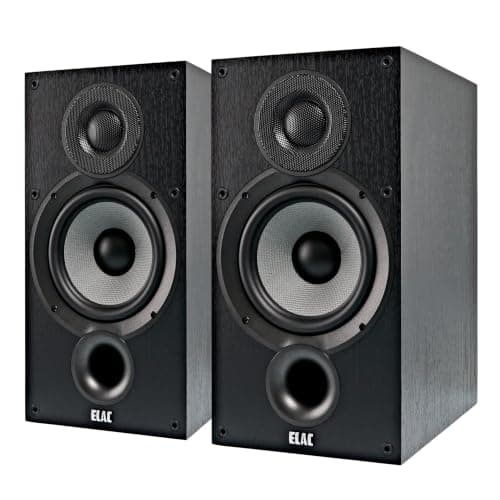 ELAC Debut 2.0 B6.2 A 6.5-inch woofer in a ported cabinet that reaches lower than anything else near the price, at the cost of needing an amplifier with real current behind it. | Best overall under $500 | 8.2 | $329.00View on Amazon $479.0031% off |
| 4 | 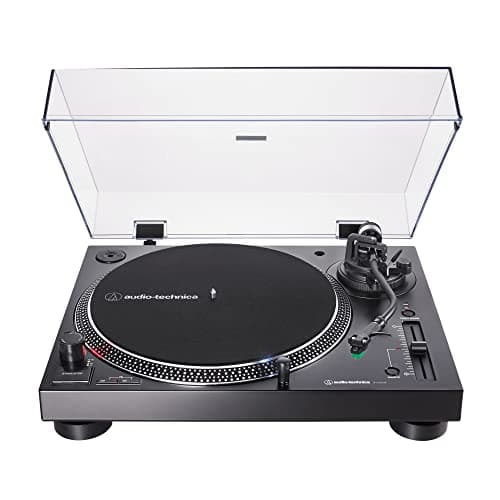 Audio-Technica AT-LP120XUSB A direct-drive deck with a switchable phono stage and USB out, which means it works with any amplifier you already own and needs nothing else on day one. | Best overall under $500 | 8.6 | $349.00View on Amazon $399.0013% off |
| 5 | 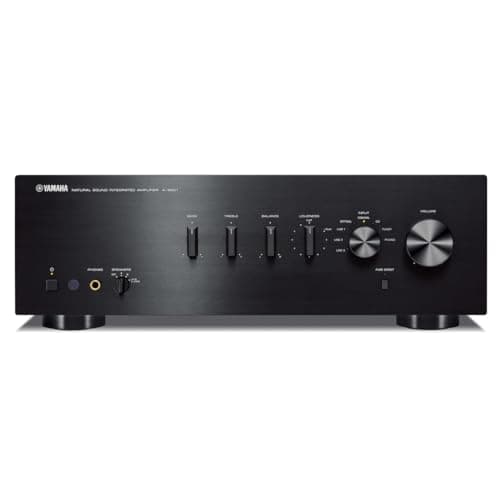 Yamaha A-S501 85 watts per channel into 8 ohms with a damping factor of 240 and an MM phono input fitted — the most amplifier here for the money, provided your speakers are an 8-ohm load. | Best overall under $1,000 | 8.6 | |
| 6 | 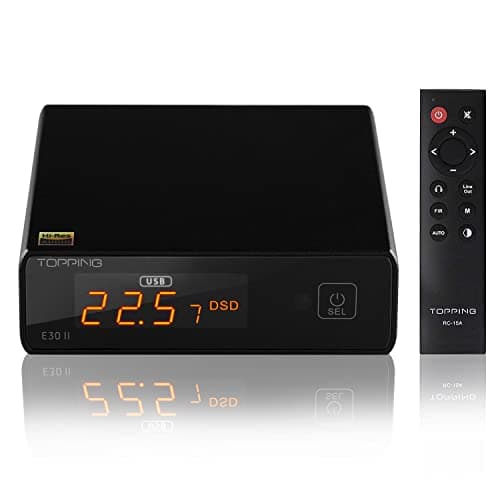 Topping E30 II Dual AK4493S converters and a preamp mode with a remote, at a price where a remote alone is usually the differentiator. | Best measured performance for the money | 8.4 |
Almost every Black Friday page you will read this autumn was written before a single price moved, and most of them are willing to tell you what the discounts will be anyway. We are not going to do that, because we do not know, and neither do they.
Here is what we can do honestly in September. We already run a live price file for every product on this site — it is refreshed daily from Amazon’s API and it is the only place a price on this site is allowed to come from. That file records the struck list price and the percentage off whenever Amazon reports one. So instead of forecasting, this page reads the file and shows you what is discounted at the moment you load it.
The dates, and the part nobody has confirmed
Thanksgiving 2026 falls on Thursday 26 November, which puts Black Friday on 27 November 2026 and Cyber Monday on 30 November 2026. Those are calendar facts and you can check them on any calendar.
What is not a fact yet is the sale window. As of the verification date at the top of this page, Amazon had not published the start and end of its 2026 Black Friday event. Retailers have run longer and earlier events in recent years, and plenty of sites are already quoting a specific multi-day window for 2026 as though it were announced. It has not been. We will put the dates here when the retailer publishes them, and not before.
What is discounted today
Of the 93 products we track, 86 have a live price right now and 19 of those carry a struck list price— Amazon’s own claim that the current price is below a reference one. The deepest of them is 45% off. Those three numbers are computed from the price file as this page renders; nobody typed them.
That is the first useful thing to know about Black Friday in this category: hi-fi and home theater gear is discounted somewhere for most of the year. November is not the only door. It is a busier door.
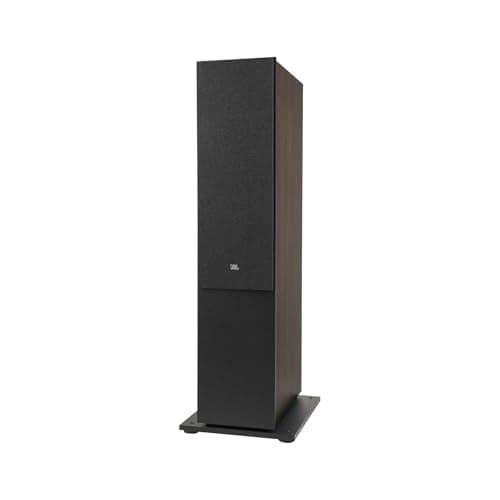
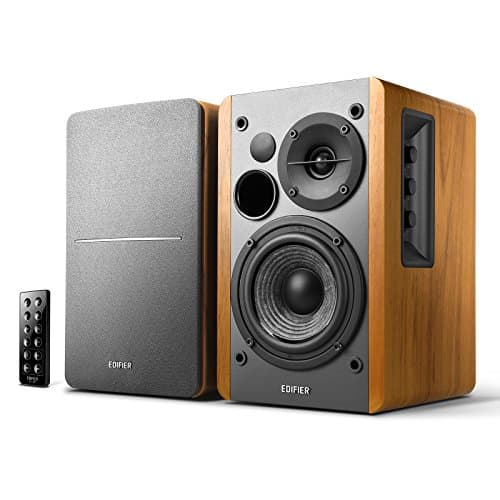
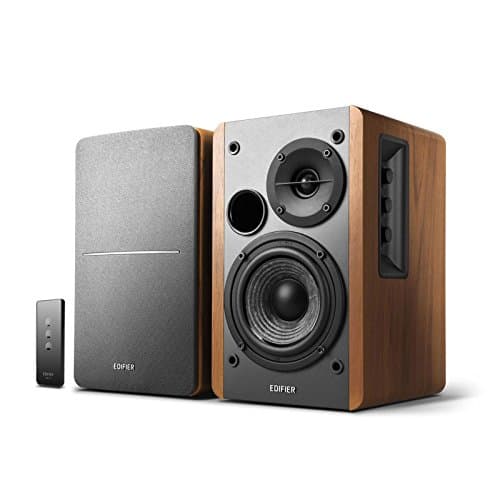
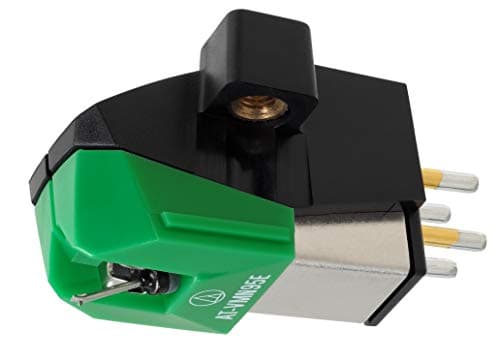
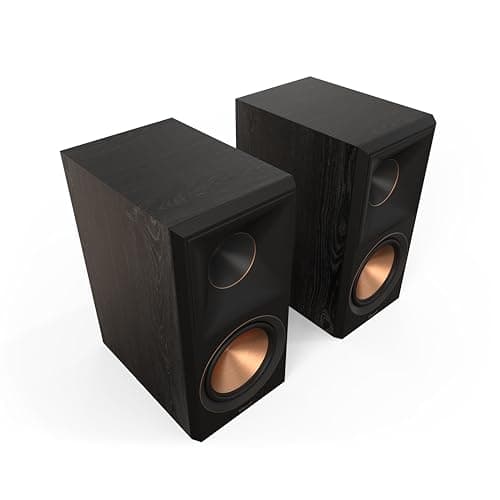
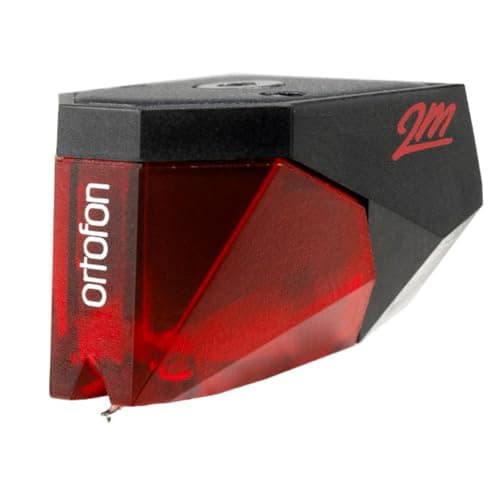
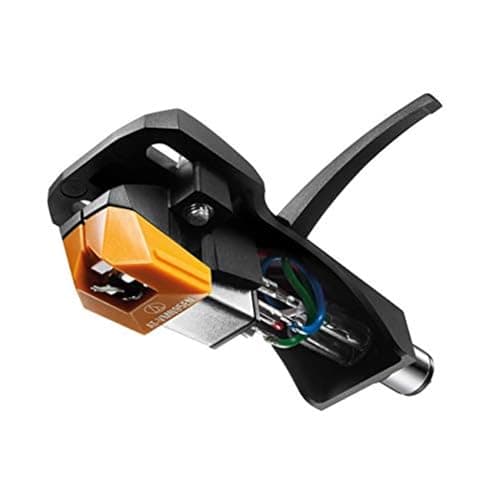
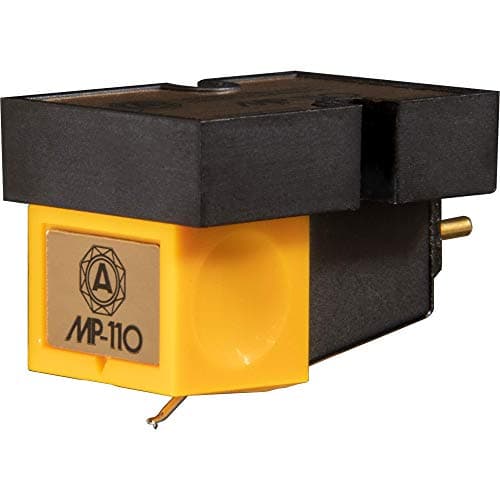
Discounted right now
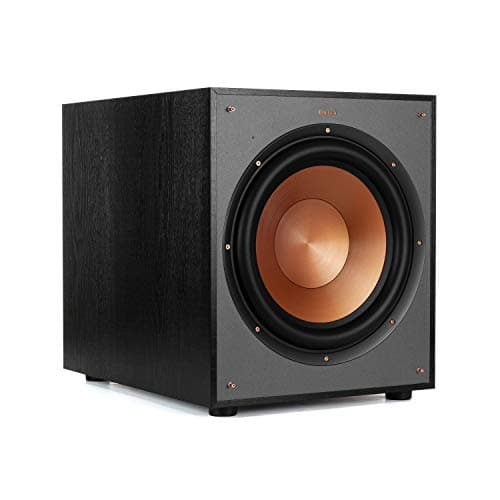
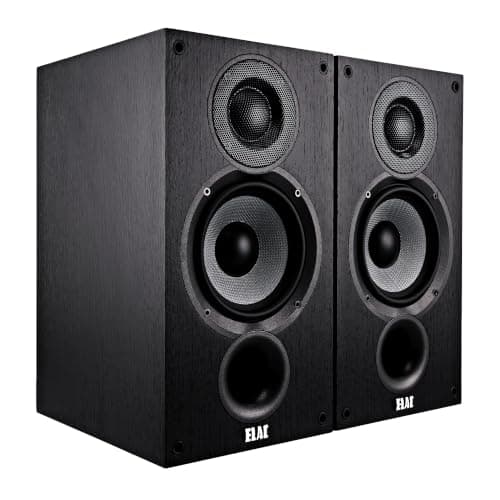
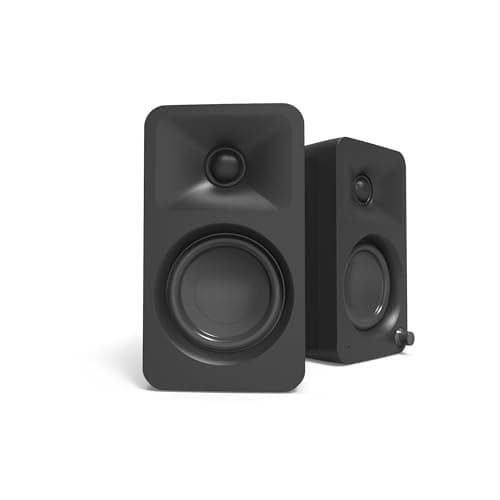
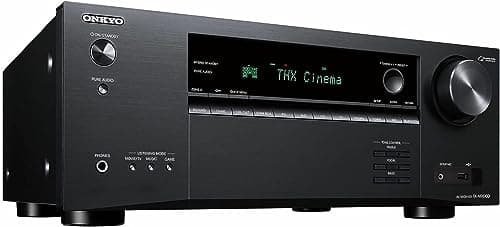
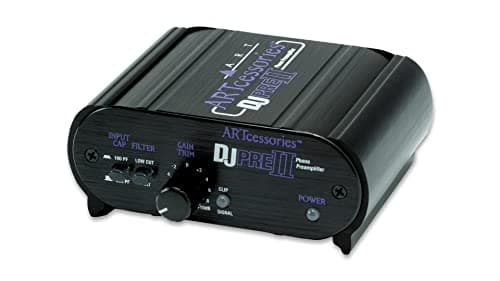
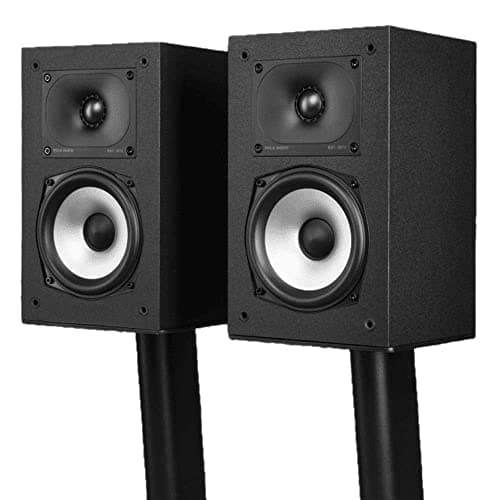
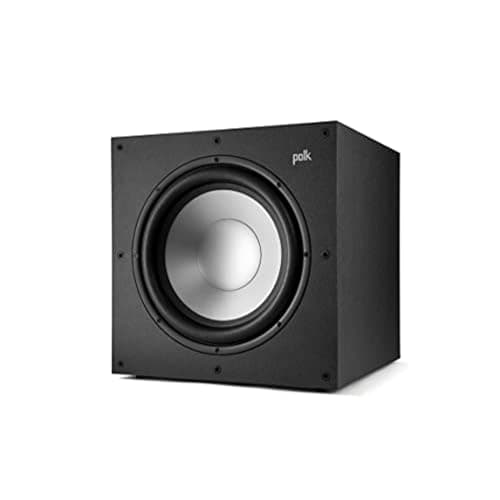
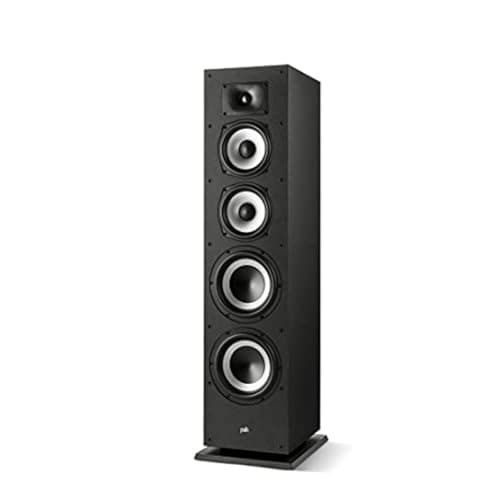
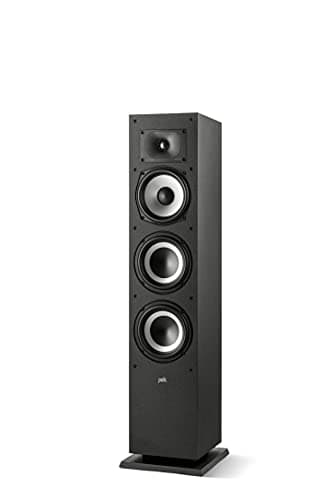
Every product we cover that Amazon is currently reporting with a struck list price, read from our live price file and stamped September 15, 2026. Nothing on this board was chosen by us — it is whatever the file says today, deepest discount first, and it changes when the file changes.
What tends to discount, and what almost never does
Three things are worth saying here, and each one is checkable rather than remembered.
1. Some manufacturers publish that they do not discount at all
Schiit Audio — whose Modi 5 we recommend in our under-$200 DAC roundup — states the policy outright on its own site: That’s why we have one price list, no discounts, no promos–because it passes the savings along to everyone.
Their stated reasoning is that running sales makes everyone wait for the next one, makes past customers feel cheated, and makes everything cost more
. Agree with the argument or not, it is a published position, and it means waiting until 27 November to buy a Schiit product is waiting for something the manufacturer has told you in advance is not coming.
2. The receiver that discounts is usually the one being replaced
AV receiver ranges turn over on roughly annual cycles, announced at CES in January and shipping through the year — Onkyo’s entirely refreshed NR and RZ lines were announced at CES in January 2026, for example. The practical consequence for a buyer is that the receiver carrying the discount is very often the outgoing model rather than the current one.
Denon’s own year-round specials page is a clean illustration: when we checked it, it was listing the previous-generation AVR-X1700H below list alongside a reduced current AVR-X2800H and several factory-refurbished units. That is not a Black Friday event. It is how the category prices itself all year.
A previous-generation receiver is often a genuinely good buy — but you should know that is what you are buying, and you should check the one spec that dates a receiver fastest, which is its HDMI feature set. We have a page on exactly that.
3. The shallow end of the discount range is the small precision stuff
When we looked at our own file on 15 September 2026, the pattern in the snapshot was consistent enough to be worth writing down: the deepest reductions sat on subwoofers, passive speakers, powered speakers and an AV receiver, while cartridges moved by single digits and several whole categories — the measurement-led DACs, the integrated amplifiers, the acoustic panels — carried no struck price at all.
That is one day’s snapshot and we are labelling it as one. But it matches the structure of the category: big boxes that cost a lot to warehouse and ship get promoted; small high-margin precision parts from specialist makers do not need to be.
Buy now, or wait for November?
The table below is our position by product class, not a prediction about any individual product. “Wait” here means the class discounts often enough that the odds are reasonable; it is not a promise, and nothing in this category is worth missing a birthday over.
| Product class | What we would do | Why |
|---|---|---|
| Subwoofers | Wait if you can | Large, heavy, high-shipping-cost boxes are the most consistently promoted items we track, and there is usually one on our board. |
| Passive speakers | Wait if you can | Same logic, and the pairs we cover rotate through discounts often rather than once a year. |
| AV receivers | Wait, then check the model year | Discounts cluster on the outgoing generation. That is fine if you know it; check the HDMI spec before you buy. |
| Powered speakers | Wait if you can | Consumer-electronics distribution, so they follow the general retail calendar. |
| Turntables | Either | Movement is real but shallower than speakers. If the deck you want is in stock at a price you are happy with, the wait is not obviously worth it. |
| Cartridges and styli | Buy when you need one | Small, specialist, and the shallowest movement we see. A worn stylus damages records; that cost is larger than the discount you are waiting for. |
| Phono stages | Buy when you need one | Low-ticket specialist items that rarely carry a meaningful reduction. |
| DACs and desktop amps | Buy when you need one | Several of the makers here are direct-sellers, and one of them publishes that it never discounts. |
| Streamers | Either | Platform products with frequent firmware updates; the software you are buying into matters more than the price you paid. |
| Acoustic panels and bass traps | Buy when you need them | Made-to-order specialist manufacturing rather than mass retail, and the cheapest real improvement on this site in the first place. |
Three ways a Black Friday price can mislead you
None of these is an accusation about any particular seller. They are three checks you can run in under a minute.
- The struck price is a claim, not a receipt.A list price is the seller’s stated reference point. It is not evidence that anybody paid it recently. Amazon price-history trackers such as camelcamelcamel will show you what the product has actually sold for over the past year, which is the number that makes a discount real or notional.
- The headline number may be a different figure entirely. This is the category’s speciality. The Klipsch R-120SW is listed everywhere at 400 W; Klipsch’s own spec sheet publishes 200 W continuous next to it. Yamaha’s widely quoted 4-ohm figure for the A-S501 is a burst measurement, not a rating. Our page on reading a power rating covers how to tell which is which.
- A cheaper model is not a discount. The most common November disappointment in home theater is buying the step-down model at a sale price and discovering it omits the room correction, the phono input or the height channels the model above has. Read the spec, not the saving.
What we will do here in November
When the discounts land, this page updates itself: the deal board above is generated from the daily price refresh, so a product appears the day its price drops and disappears the day it stops. We will add editorial notes on anything genuinely worth flagging — a specific model at a price that changes the recommendation — and we will not add anything our own price layer has not confirmed.
If a deal you see here is gone by the time you click through, that is the file catching up rather than a bait-and-switch. Every price on this site is stamped with the date it was fetched, including the ones above, which are current as of September 15, 2026.
In the meantime, if you are buying for somebody else, our gift guides are organised by recipient and by budget, and every one of them tells you what to check about their existing system before you spend anything.
Every pick in detail
Every specification below links to the manufacturer document we read it from. Where a manufacturer does not publish a figure, we say so rather than estimating it.
SVS SB-1000 Pro
Best overallPrice as of September 15, 2026. #ad
The only subwoofer here whose manufacturer publishes both a continuous power rating and the measurement condition behind its frequency response — 20–270 Hz ± 3 dB at 2 m ground plane — which is what makes its numbers comparable to anything.
- extension
- 9/10
- published data
- 10/10
- room control
- 10/10
- value for money
- 6/10
- build quality
- 9/10
| Specification | Published value | Source |
|---|---|---|
| Frequency response | 20–270 Hz ± 3 dB, measured 2 m ground plane away from reflective structures (quasi-anechoic). SVS is the only manufacturer in this group that publishes the measurement condition. | SVS product page |
| Amplifier power | 325 W RMS continuous (820+ W peak dynamic), Sledge STA-325D class D | SVS product page |
| Driver | 12 in long-throw, 13.3 mm Xmax / 26.9 mm Xmech, 1.5 in voice coil | SVS product page |
| Enclosure type | Sealed, extra-thick MDF front baffle with internal bracing | SVS product page |
| Inputs | Unbalanced stereo RCA in/out (16 kΩ) plus speaker-level stereo input (1 kΩ); 3–12 V AC/DC trigger | SVS product page |
| DSP / app | 50 MHz Analog Devices DSP; Bluetooth app for iOS/Android with 3 nameable presets, 3 parametric EQ bands per preset, adjustable low pass, phase, polarity and room-gain compensation | SVS product page |
| Dimensions (with grille) | 13.5 in H × 13 in W × 14.76 in D (342 × 330 × 375 mm) | SVS product page |
| Weight | 26 lb (11.9 kg) unboxed with grille | SVS product page |
Pros
- 325 W RMS continuous is a continuous rating, not a peak figure dressed as one
- 20–270 Hz ± 3 dB published WITH its measurement condition — nobody else here does that
- App DSP with three parametric EQ bands per preset and room-gain compensation, which is real control over the one band room correction handles worst
- Speaker-level inputs as well as RCA, so an integrated amp with no sub output can still drive it
- Sealed 13-inch cabinet — it fits where a ported 12 will not
Cons
- The most expensive pick here
- Sealed alignment trades raw output near tuning for a gentler roll-off — a ported box of the same size will play louder at 30 Hz
- The app is the interface for the good features; the front panel alone is not
- One of these in a large open-plan room will run out before a bigger ported sub does
Skip it if your room is large and open-plan and output matters more to you than measured accuracy. A ported 12 costs less and moves more air down low.
Denon AVR-X1800H
Best overall under $1,000Price as of September 15, 2026. #ad
Seven channels, 8K passthrough and Audyssey MultEQ XT — the room correction being the feature that actually changes what you hear in a real room.
- channels
- 9/10
- room correction
- 9/10
- connectivity
- 9/10
- value for money
- 9/10
- future proofing
- 9/10
| Specification | Published value | Source |
|---|---|---|
| Channels | 7.2 (7 power amplifiers — 7.2 or 5.2.2) | Denon info sheet (PDF) |
| Power output | 80 W + 80 W (8 Ω, 20 Hz – 20 kHz, 0.08% THD, 2 ch driven) | Denon info sheet (PDF) |
| Room correction | Audyssey MultEQ XT, with Dynamic EQ and Dynamic Volume | Denon info sheet (PDF) |
| Dolby Atmos / DTS:X | Yes / Yes | Denon info sheet (PDF) |
| Phono input | Yes — MM, 2.5 mV input sensitivity; RIAA deviation ±1 dB (20 Hz – 20 kHz); S/N 74 dB (IHF-A); distortion 0.03% (1 kHz, 3 V) | Denon owner's manual, audio section |
| Analog input sensitivity | 200 mV; frequency response 10 Hz – 100 kHz (+1, −3 dB, Direct mode); S/N 98 dB (IHF-A, Direct mode) | Denon owner's manual, audio section |
| Power consumption | 430 W. Standby 0.1 W — but only with Network Control set to “Off In Standby” and HDMI Pass Through off; CEC standby is 0.5 W. Denon publishes no idle (powered-on, not playing) figure at all. | Denon owner's manual, general section |
| HDMI in / out | 6 in (3 are 8K) / 1 out (eARC) | Denon info sheet (PDF) |
| Video passthrough | 8K/60 Hz, 4K/120 Hz; VRR, QFT, ALLM | Denon product page |
| Pre-outs | 2.2 only (front L/R + 2 subwoofer) — NOT a full 7.2 pre-out | Denon info sheet (PDF) |
| Streaming | HEOS built-in; AirPlay 2, Spotify Connect, Amazon Music HD, TIDAL | Denon info sheet (PDF) |
Pros
- Audyssey MultEQ XT room correction — a step above the plain MultEQ on the cheaper models
- 7.2 channels — enough for a 5.2.2 Atmos layout
- MM phono input, so a turntable connects without a separate stage
- 8K/60 and 4K/120 passthrough with VRR and ALLM
Cons
- Only 2.2 pre-outs (front L/R plus subwoofers) — you cannot add external amplification to the surround channels later
- Menus are dense
- Runs warm in a closed cabinet
Skip it if you only need 5 channels — the AVR-S670H shares the same core for less.
ELAC Debut 2.0 B6.2
Best overall under $500A 6.5-inch woofer in a ported cabinet that reaches lower than anything else near the price, at the cost of needing an amplifier with real current behind it.
- sensitivity
- 6/10
- bass extension
- 9/10
- amp friendliness
- 6/10
- value for money
- 10/10
- build quality
- 8/10
| Specification | Published value | Source |
|---|---|---|
| Sensitivity | 87 dB (2.83 V / 1 m) | ELAC spec page |
| Impedance | 6 Ω | ELAC spec page |
| Minimum impedance | Not published | — |
| Frequency response | 44 Hz – 35 kHz (no tolerance published) | ELAC spec page |
| Maximum power input | 120 W (a handling limit — ELAC publishes no recommended amplifier range) | ELAC spec page |
| Woofer | 6.5 in woven aramid-fiber cone | ELAC spec page |
| Tweeter | 1 in cloth dome | ELAC spec page |
| Crossover | 2,200 Hz | ELAC spec page |
| Weight (each) | 16.3 lb / 7.4 kg | ELAC spec page |
Pros
- 6.5in woofer reaches genuinely low for a bookshelf
- Front port, so it tolerates being near a wall better than a rear-ported box
- Well-braced cabinet for the price
Cons
- Wants more amplifier than its size suggests — check the arithmetic before pairing
- Large for a 'bookshelf' speaker
- Finish is functional rather than furniture
Skip it if your amplifier is a low-power desktop unit. Run the power arithmetic on our amp-matching guide first.
Audio-Technica AT-LP120XUSB
Best overall under $500A direct-drive deck with a switchable phono stage and USB out, which means it works with any amplifier you already own and needs nothing else on day one.
- specs
- 8/10
- upgrade path
- 9/10
- value for money
- 9/10
- ease of setup
- 7/10
- connectivity
- 10/10
| Specification | Published value | Source |
|---|---|---|
| Drive type | Direct drive (DC servo motor) | Audio-Technica manual (PDF) |
| Wow and flutter | < 0.2% WRMS (33 rpm) at 3 kHz | Audio-Technica manual (PDF) |
| Signal-to-noise | > 50 dB | Audio-Technica manual (PDF) |
| Speeds | 33⅓, 45, 78 rpm | Audio-Technica manual (PDF) |
| Cartridge included | AT-VM95E (VM type) on an AT-HS6 headshell | Audio-Technica manual (PDF) |
| Tonearm effective mass | Not published | — |
| Built-in phono stage | Yes — switchable PHONO/LINE, 36 dB nominal gain, RIAA equalized | Audio-Technica manual (PDF) |
| USB output | Yes — 16-bit, 44.1 or 48 kHz selectable, USB 1.1 | Audio-Technica manual (PDF) |
| Tracking force | Arm adjusts 0–4 g; the included AT-VM95E tracks 1.8–2.2 g (2.0 g standard) | Audio-Technica manual (PDF) |
Pros
- Switchable built-in phono stage — works with an amp that has no phono input
- Direct drive, so speed is locked without a belt to stretch or replace
- USB output for digitizing records without a separate interface
- Adjustable tracking force, anti-skate and a removable headshell
Cons
- Heavier and larger than the belt-drive decks in this bracket
- The bundled AT-VM95E is a competent cartridge, not an endgame one
- Removable headshell adds a mechanical joint some purists avoid
Skip it if you want the smallest possible footprint, or you already own a good phono stage and would rather put the money into the cartridge.
Yamaha A-S501
Best overall under $1,000Price as of September 15, 2026. #ad
85 watts per channel into 8 ohms with a damping factor of 240 and an MM phono input fitted — the most amplifier here for the money, provided your speakers are an 8-ohm load.
- power
- 9/10
- phono stage
- 8/10
- value for money
- 9/10
- build quality
- 9/10
- connectivity
- 6/10
| Specification | Published value | Source |
|---|---|---|
| Power output (8 Ω) | 85 W + 85 W (8 Ω, 20 Hz – 20 kHz, 0.019% THD) — minimum RMS | Yamaha spec page |
| Power output (4 Ω) | Not published as a continuous rating. Yamaha publishes only “High Dynamic Power/Channel (8/6/4/2 Ω): 130 / 150 / 185 / 220 W” — a short-burst IHF measurement, NOT an RMS rating. The “185 W into 4 Ω” figure circulating for this amp is that dynamic number, and treating it as continuous overstates the amplifier by roughly two-fold. | Yamaha spec page |
| Phono input | Yes — MM, 3.0 mV / 47 kΩ | Yamaha owner's manual (PDF) |
| THD | 0.019% (50 W into 8 Ω, 20 Hz – 20 kHz) | Yamaha spec page |
| Signal-to-noise | 99 dB (CD, input shorted); phono MM 82 dB or more | Yamaha spec page |
| Damping factor | 240 | Yamaha spec page |
| Digital inputs | Yes — optical and coaxial (Yamaha does not publish the DAC part number) | Yamaha spec page |
| Bluetooth | Not published — no Bluetooth row appears in Yamaha's specification table | Yamaha spec page |
| Subwoofer out | Yes | Yamaha spec page |
Pros
- 85 W + 85 W into 8 Ω rated across the full 20 Hz – 20 kHz band at 0.019% THD — a real rating, not a 1 kHz-only one
- Damping factor 240, the highest published here
- MM phono input and optical/coaxial digital inputs included
Cons
- Yamaha publishes NO continuous 4 Ω rating — only a “High Dynamic Power” burst figure, so its behavior into a 4 Ω speaker is genuinely unknown from the spec sheet
- No Bluetooth or network streaming
- Large and heavy
Skip it if your speakers dip to 4 Ω and you want to know what you are getting. Marantz and Denon both publish real 4 Ω ratings; Yamaha does not.
Topping E30 II
Best measured performance for the moneyPrice as of September 15, 2026. #ad
Dual AK4493S converters and a preamp mode with a remote, at a price where a remote alone is usually the differentiator.
- measured specs
- 10/10
- inputs
- 8/10
- value for money
- 9/10
- build quality
- 7/10
- features
- 8/10
| Specification | Published value | Source |
|---|---|---|
| DAC chip | 2 × AK4493S; XMOS XU208 USB interface | Topping spec page |
| Max sample rate | USB: PCM 44.1–768 kHz/16–32 bit, DSD64–DSD512 native; coaxial/optical: PCM up to 192 kHz/24 bit | Topping spec page |
| THD+N | < 0.00015% at 1 kHz (A-weighted, line out, USB 96 kHz) | Topping spec page |
| Signal-to-noise | 123 dB (A-weighted, 1 kHz) | Topping spec page |
| Output level | 2.1 V RMS at 0 dBFS (20 Ω output impedance) | Topping spec page |
| Preamp mode | Yes | Topping spec page |
| Headphone amp | No | Topping spec page |
Pros
- Dual DAC chips and strong published measurements
- Preamp mode with variable output
- Remote control included
Cons
- Small display is hard to read across a room
- No headphone output
- Menu system is fiddly
Skip it if you need a headphone amp built in.
Frequently asked questions
When is Black Friday 2026?
Does hi-fi gear actually get discounted on Black Friday?
Should I wait for Black Friday to buy an AV receiver?
How do I tell whether a Black Friday discount is real?
Will you post deals on this page in November?
Read next

The Best Gifts for Vinyl Lovers
Five gifts for someone who already owns a turntable, each with the compatibility check to run before you buy it.

The Best Gifts for Home Theater Fans
Five gifts for a home cinema setup, each one paired with the socket or size check that decides whether it fits.
The Best Hi-Fi Gifts Under $250
Six gifts under $250, led by the ones that arrive as a complete working system rather than one component of one.

The Best Splurge Hi-Fi Gifts
Six serious gifts where budget is not the limit, each with a plain account of what it demands from the system it joins.
The Best AV Receivers Under $1,000
Five receivers under $1,000, compared on FTC-rated power and the pre-out spec almost nobody mentions.
The Best Turntables Under $500
Five decks under $500, ranked on published specs and total cost — including the phono stage two of them make you buy separately.
Sources
Every specification on this page was read from one of these documents. If one of them has changed, or we have made an error, tell us — corrections are logged and dated per our editorial policy.
- Schiit Audio — published policy on sales, promos and discounts
- Denon — current specials and reduced models (checked 15 September 2026)
- Onkyo's refreshed AV receiver line announced at CES 2026 — ecoustics
- Klipsch R-120SW spec sheet — 200 W continuous alongside the 400 W peak figure
- Yamaha A-S501 specifications — rated power and High Dynamic Power figures